The Music of Gigi Gryce
Lecture and Music Presentation for Libraries and Arts Centers
Hear Gigi Gryce’s popular songs like Social Call and Minority alongside many never before heard lyrics to his lesser known gems!
Gigi Gryce was a saxophonist and composer who worked with some of the best-known names in jazz during the 1950s, including Dizzy Gillespie, Thelonious Monk, and Max Roach. His many compositions remain a part of the jazz repertoire today.
His remarkable rise from poverty led to conservatory studies and tours of Europe and Africa before he established himself as a fixture on the New York scene. His efforts as a music publisher were bold and groundbreaking, and his quiet, unassuming personality set him apart from most of his peers. In only a decade as a professional musician, he earned the respect and admiration of his colleagues and served as a mentor to numerous aspiring young players. Gryce’s sudden disappearance at the start of the 1960s left the jazz world wondering as to his fate. Few were aware of his change of identity and professional rebirth as a New York City School Teacher. He was so esteemed as a teacher, that upon his passing, they named PSxxx in the Bronx after him.
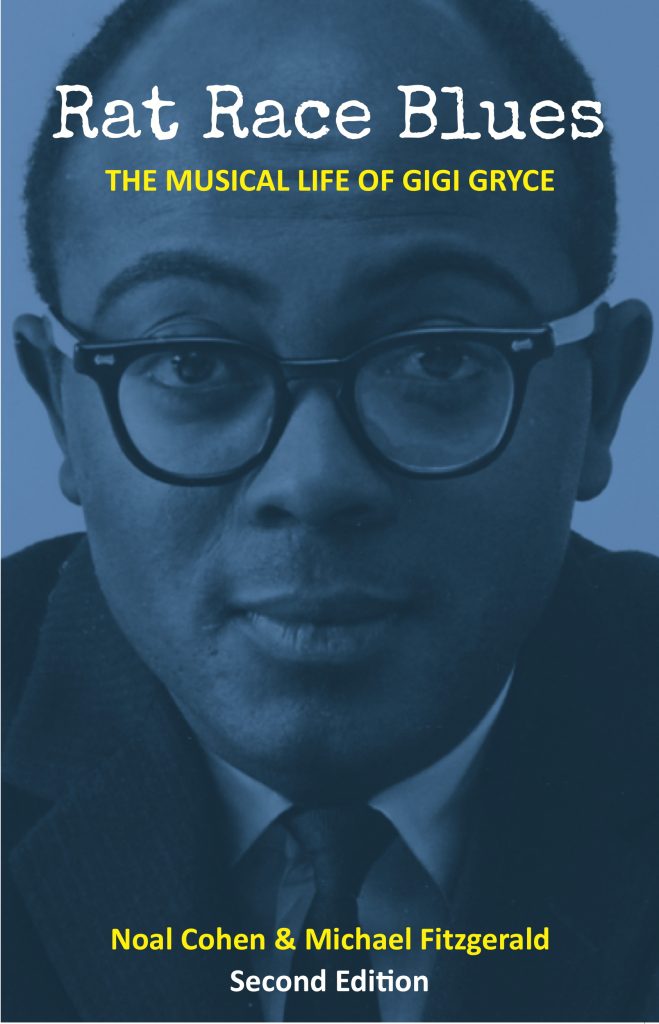
Jazz Historian Noal Cohen co-authored the only known biography of Gigi Gryce. Misinformation about Gryce abounds, and rumors have circulated for decades. Years of research and dozens of interviews were conducted for this book, resulting in a biography that finally tells the true story of this often overlooked figure and illuminates his contributions to one of the richest periods in jazz history.
Award winning jazz vocalist Alexis Cole first became aware of Gryce's unpublished lyrics when working with ground breaking vocalese writer Jon Hendricks at a chance meeting in Toronto. He invited her to his home in Toledo, OH where the two poured over his lifetime of lyrics written for jazz compositions, including many for the talented saxophonist Gigi Gryce. Years later, Alexis encountered Noal Cohen at a William Paterson University function, and became further intrigued both by Gryce's prolific output, his relative obscurity, and his fascinating story.
This entertaining presentation brings New York City's rich jazz history to life through music and discussion, sharing insights into the struggles of the past and those who worked hard to overcome them.